

Driver’s Desk
Vehicle GPS Tracker System: A Complete Guide for 2026
You walk out to the driveway, the curb, or the parking garage spot where you left your car. It isn't there.
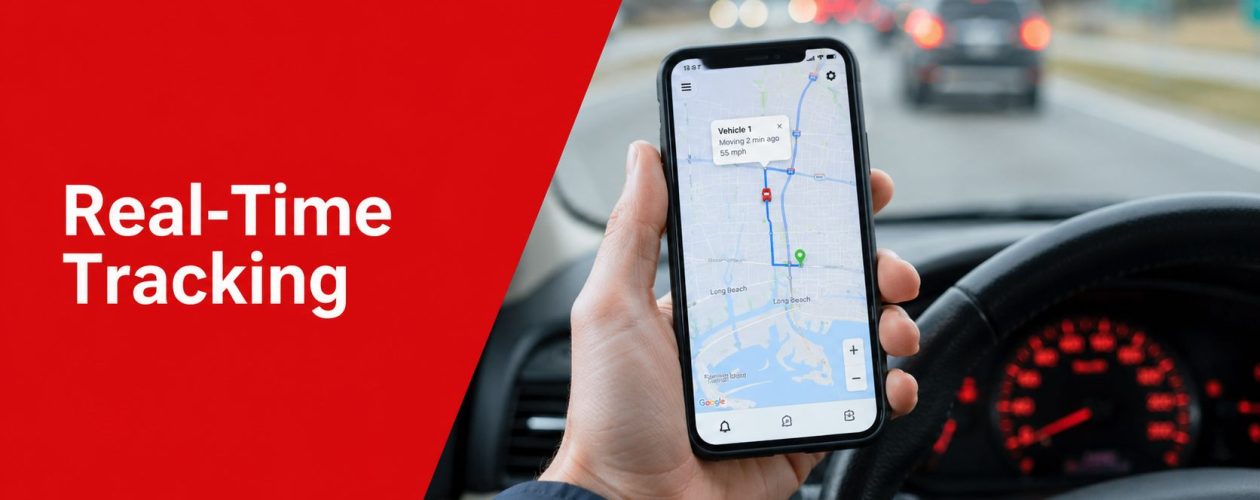
At that moment, vehicle owners don't need another loud alarm or a vague promise about “smart security.” They need an answer to one basic question. Where is the vehicle right now? That's where a modern vehicle GPS tracker system matters. It doesn't just make noise after something happens. It gives you location, movement alerts, and a record of what the car did before you noticed a problem.
That concern isn't niche anymore. The global vehicle tracking system market was valued at US$ 27.81 billion in 2024 and is projected to reach US$ 96.08 billion by the end of 2034, growing at a CAGR of 13.2%, according to Fact.MR's vehicle tracking system market report. That kind of growth reflects a simple reality: more owners want direct visibility into their vehicles because traditional anti-theft tools often leave too much to chance.
Your Car Is Gone What Now
The first few minutes after a vehicle disappears are chaotic. You wonder if it was stolen, towed, borrowed, or moved by mistake. You check the street. You call family. You replay where you parked.
A vehicle GPS tracker system changes that sequence. Instead of starting with guesswork, you open an app and check the vehicle's status. If the car is moving, you know that immediately. If it was moved earlier, trip history can help you understand when it happened. If it's parked somewhere else, you have a starting point that's far more useful than a hunch.
Many drivers still think of tracking as a fleet tool or something only luxury owners buy. That's outdated. Security concerns are pushing this technology into the mainstream, and the market projection above shows how quickly demand is expanding.
What a tracker changes in real life
A proper system helps in three ways:
- Immediate awareness: You don't have to wait until morning to discover something happened.
- Faster decisions: You can tell the difference between theft, towing, and authorized use.
- Better recovery information: If law enforcement gets involved, a current or recent location is far more useful than “it disappeared sometime overnight.”
The value of a tracker isn't just finding a car later. It's shortening the time between unauthorized movement and your response.
If you want a simple example of what live location access looks like in practice, a car locator app and tracker setup shows the kind of information owners now expect from modern vehicle security.
How Real-Time Vehicle Tracking Actually Works
A lot of confusion comes from mixing up two different jobs inside the same device. A vehicle GPS tracker system needs to know where the car is and tell you where the car is. Those are separate functions.
The GPS part is the car's sense of direction. The cellular part is its phone.
GPS finds the position
The tracker listens to satellite signals and calculates location. In modern systems, that usually means a GNSS receiver that can work with multiple satellite networks, not just GPS alone. According to the Wikipedia overview of vehicle tracking systems, advanced vehicle GPS tracker systems can achieve 3 to 5 meters of position accuracy under open-sky conditions, use trilateration from 4+ satellites, and transmit real-time data over 4G/5G cellular networks every 10 to 60 seconds.
That sounds technical, but the basic idea is simple. The device compares signals from several satellites and figures out where the car sits on the map.
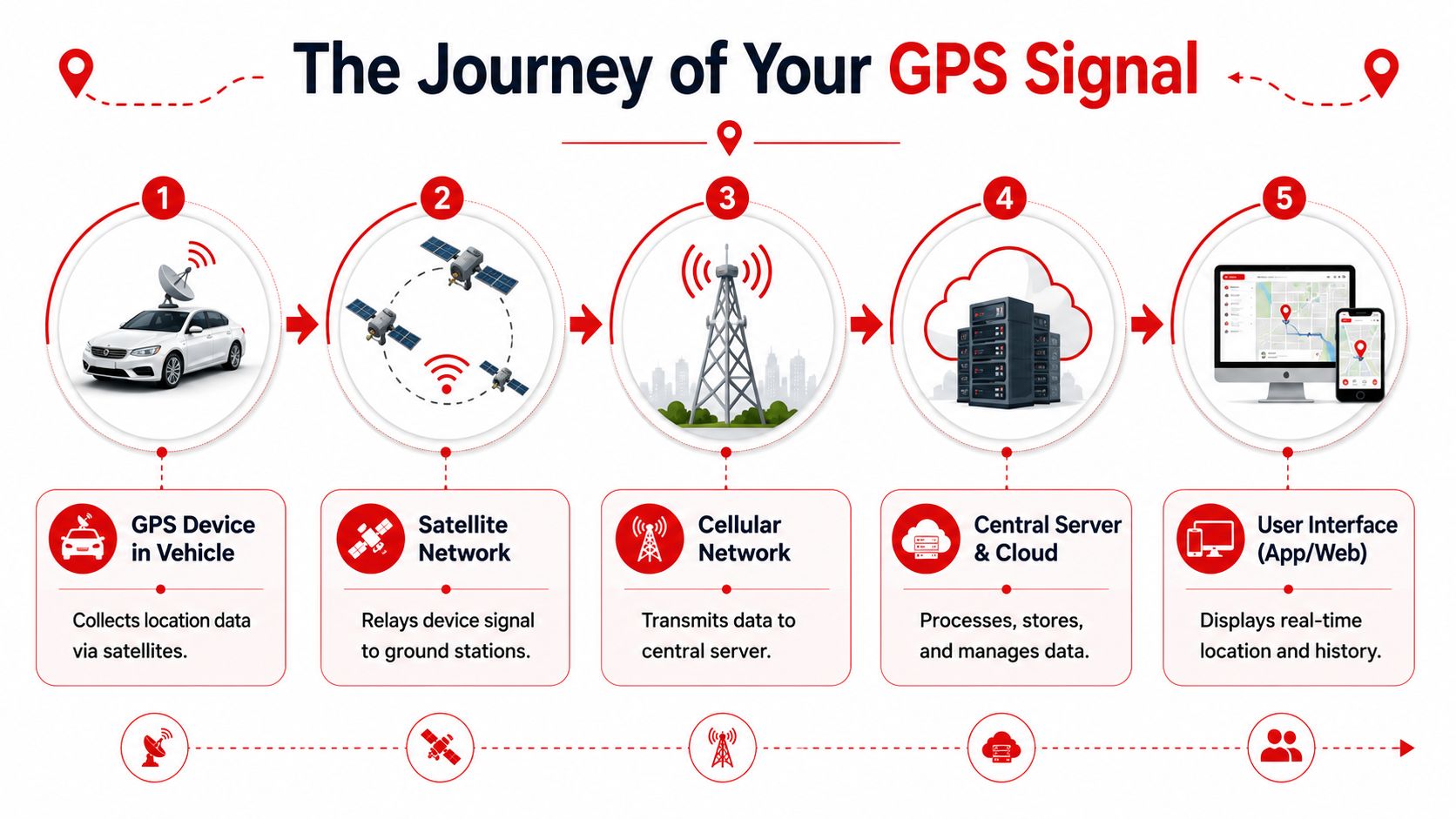
Cellular sends the update
Knowing the location inside the device isn't enough. The tracker also needs to send that location to a server and then to your phone. That's the job of the built-in cellular connection.
Without that second piece, you don't have true live vehicle security. You have a device that may know where it is, but can't reliably report back to you in real time.
A good way to understand this is to compare it with services people already use every day. In professional transportation, customers value real-time limo updates because they reduce uncertainty about where a vehicle is and when it will arrive. The same principle matters even more in theft prevention. Timely updates change how quickly someone can act.
What you see in the app
Once the device has position data and a communication path, the app becomes the control panel. That's where you view location, movement, route history, and security alerts. A modern GPS tracker app feature set typically ties those functions into one dashboard so you're not piecing together separate tools.
Practical rule: If a tracker can't independently report its position to your phone, it isn't a serious anti-theft system.
That distinction matters later when we compare GPS trackers with Bluetooth item finders. They're built for different jobs.
The Must-Have Feature Checklist for True Security
Some trackers sound impressive because they mention maps and alerts. That's not enough. For real security, the feature list has to match real theft and misuse scenarios.
Real-time tracking
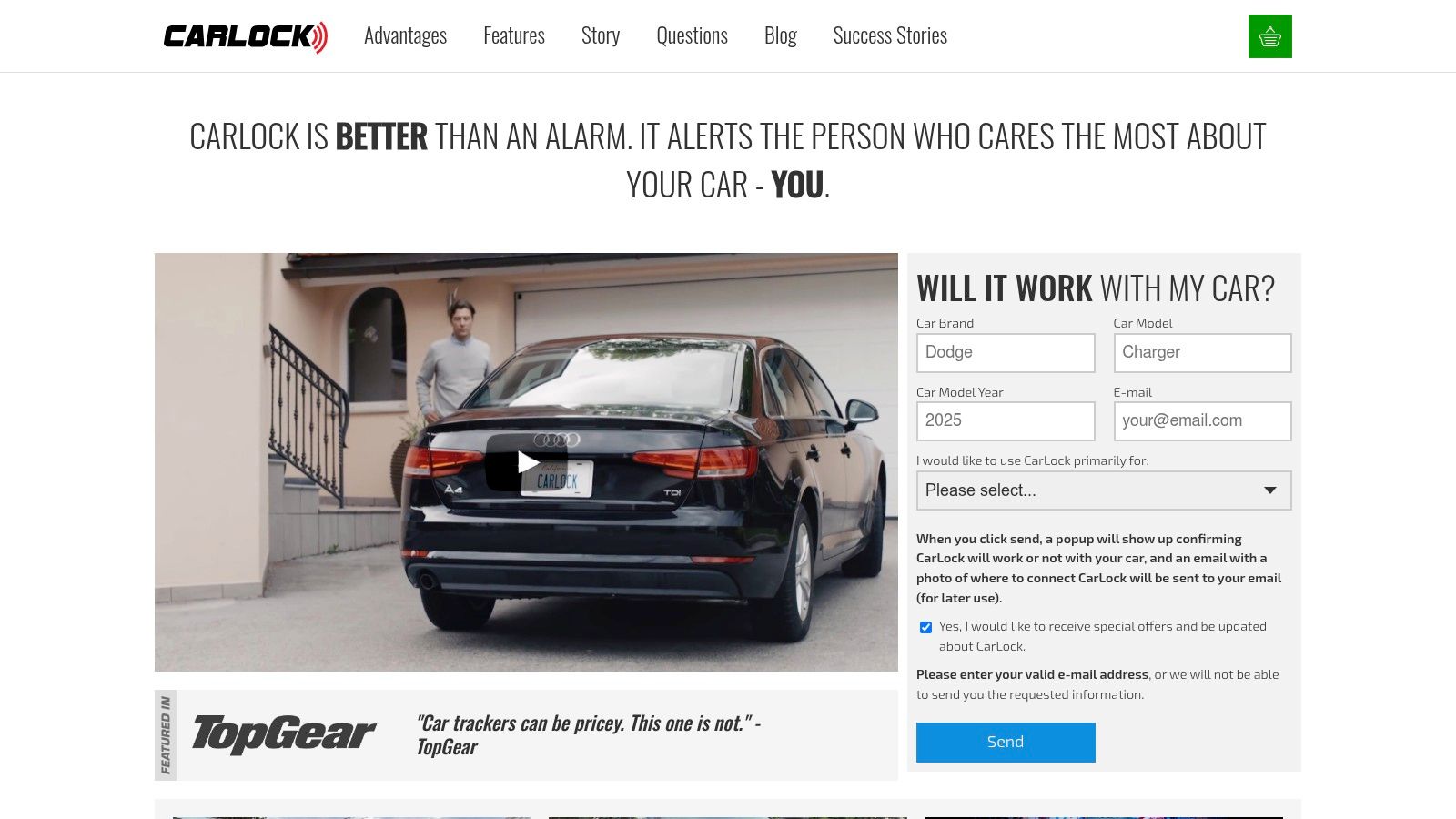
If your car moves without permission, you need to know where it is now, not where it was hours ago. Real-time location is the foundation because every other response depends on it.
For a parent, that may mean checking whether a teen driver reached school. For a business owner, it may mean confirming a company vehicle is where it should be. For theft response, it's the difference between active tracking and stale information.
Tamper alerts
This is one of the most overlooked features, and it matters a lot. According to GPS Insight's explanation of unplugged tracker risks, top-tier systems provide immediate tamper alerts if the device is unplugged or disconnected, which addresses a major accountability risk in anti-theft and fleet use.
That's the tracker defending itself. If someone tries to disable it, the system should tell you.
A device feature page for car tracking hardware is useful here because it shows the kinds of hardware-level protections buyers should ask about, including how the tracker behaves if power is interrupted.
Trip history and movement records
Trip history isn't just for curiosity. It helps answer practical questions:
- Unauthorized use: Was the car driven after hours?
- Recovery context: Where did it go before it stopped reporting movement?
- Driver accountability: Did an employee or family member follow the expected route?
That historical record becomes especially valuable when the problem didn't happen in front of you.
Here's a quick visual example of how vehicle activity monitoring looks in practice.
Driving behavior monitoring
Security and safety often overlap. Harsh acceleration, hard braking, and aggressive cornering can tell you how a vehicle is being treated. That matters for parents, fleet operators, and anyone lending out an expensive car.
Silent theft is dangerous because you discover it late. A tamper alert closes that gap.
A short checklist you can use
When evaluating any vehicle GPS tracker system, look for:
- Live location reporting: The system should show current vehicle position, not just past logs.
- Disconnection detection: If someone unplugs the unit, you should get notified.
- Trip records: You need a timeline, not a single dot on a map.
- Behavior alerts: Security also includes how the car is driven, not only where it is.
Who Benefits From a GPS Tracker and Why
The best way to understand value is to look at who uses these systems and what problem they're solving.
The audience is broader than many people expect. In the United States, approximately 170 million Americans own at least one GPS or location-tracking device, and theft prevention and stolen vehicle recovery remain a primary application for consumer vehicle tracking systems, according to SafeHome's GPS industry outlook.
The everyday car owner
A sedan disappears from an apartment parking lot overnight. The owner doesn't need abstract “awareness.” They need to know whether the vehicle is moving, where it last stopped, and whether the ignition or towing event triggered an alert.
For this owner, the tracker is mostly about anti-theft and recovery support. Peace of mind matters, but the practical benefit is faster action.
The parent of a new driver
A teenager borrows the family car for evening plans. The parent isn't trying to spy. They're trying to reduce uncertainty. Did the car leave the expected area? Is it being driven aggressively? Did it arrive and stay parked?
This use case is often more about coaching than punishment. A good tracking system can help parents talk about habits before those habits turn into accidents or breakdowns.
The small fleet operator
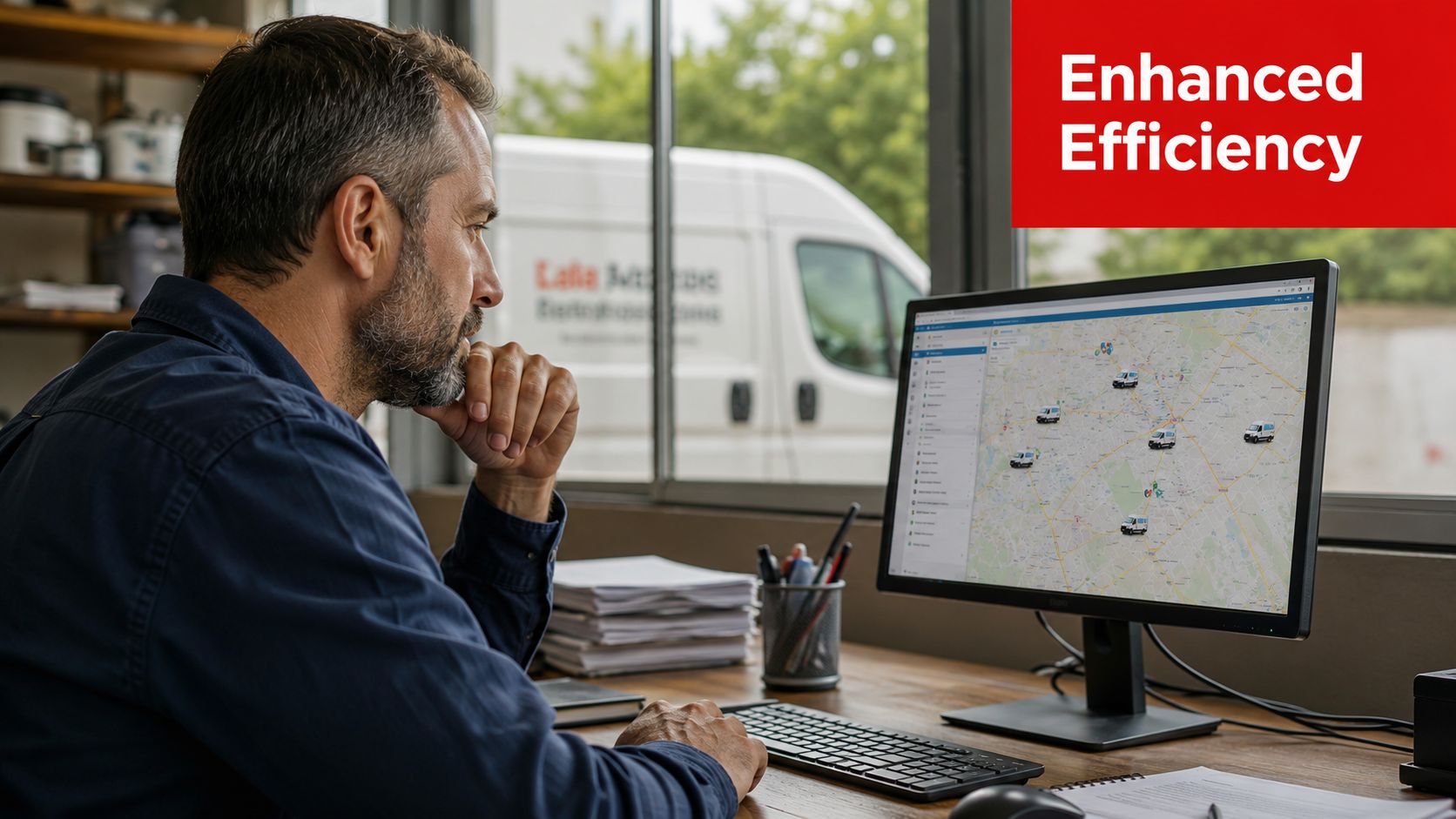
A contractor, delivery owner, or service company may only manage a few vehicles, but the problems look familiar. Vehicles are expensive. Fuel is expensive. Downtime is expensive. So is uncertainty.
A fleet owner benefits from:
- Asset visibility: Where are the vehicles during the workday?
- Driver accountability: Was a route followed or was a stop missed?
- Security coverage: If a company truck moves after hours, someone should know.
A tracker earns its keep when it answers a question immediately. Was the car moved, where did it go, and who likely had it?
These three stories all point to the same truth. A vehicle GPS tracker system isn't only for recovering a stolen car. It also helps owners manage trust, responsibility, and response time.
Installation and Subscription Models Explained
Two questions come up in almost every buying conversation. Where does the tracker go, and why is there a monthly fee?
Both are reasonable questions, especially if you've seen low-cost tags or “no subscription” gadgets advertised as security tools.
OBD-II plug-in versus hardwired installation
An OBD-II tracker plugs into the diagnostic port found in most modern vehicles. This style is popular because installation is quick. You don't need to cut wires, and setup is usually simple enough for the average owner.
The tradeoff is visibility. If a thief or unauthorized driver knows where to look, an exposed plug-in device may be easier to remove.
A hardwired tracker is installed more discreetly, often behind trim or under the dashboard. That makes it a better fit when hidden placement and tamper resistance matter more than convenience.
Which type fits your situation
Here's a simple explanation:
- Choose plug-in: If you want fast setup and easy transfer between vehicles.
- Choose hardwired: If your priority is concealment and a lower chance of casual removal.
- Choose based on risk: A family commuter and a high-theft vehicle may need different approaches.
Why subscription plans exist
A real-time tracker uses an ongoing communication service. That's the key point many buyers miss. The monthly fee isn't there just because companies like recurring billing. It pays for the cellular connection and the cloud service that receives, stores, and delivers location and alert data.
Without that active service, the tracker can't consistently send updates to your phone.
That cloud layer also powers app access, trip records, and alert history. A cloud-connected vehicle tracking platform shows what buyers are paying for: not only hardware, but the reporting path between vehicle, server, and user.
The honest tradeoff
If a product advertises “no subscription,” ask what communication method it uses. If it doesn't include independent cellular reporting, it may not be giving you true live anti-theft coverage at all.
That doesn't make it useless. It just means it may be built for a different purpose than vehicle security.
GPS Cellular Trackers vs Bluetooth Item Finders
A common misconception arises among car owners. A Bluetooth item finder and a vehicle GPS tracker system can both appear on a map in an app, but they don't solve the same problem.
A Bluetooth finder is mainly for lost items. A GPS and cellular tracker is for stolen or moving assets.
The core difference
A Bluetooth tag depends on nearby devices in the surrounding ecosystem to help report its location. A vehicle tracker reports independently using its own GPS location and cellular connection.
That means a tag might help you find keys left at a friend's house. It's far less dependable when a car is driven away, parked in an isolated area, or deliberately targeted.
Comparison table
| Feature | Vehicle GPS Tracker (e.g., CarLock) | Bluetooth Item Finder (e.g., AirTag) |
|---|---|---|
| Primary purpose | Vehicle security, movement monitoring, recovery support | Finding misplaced everyday items |
| How location is determined | GPS or GNSS location from satellites | Proximity-based Bluetooth signaling |
| How location is reported | Built-in cellular communication to app/cloud | Relies on nearby third-party devices |
| Real-time vehicle movement alerts | Yes, designed for active monitoring | Not built for true live vehicle security |
| Tamper or unplug alerts | Often included in security-focused systems | Typically not the core design focus |
| Suitability for stolen vehicle recovery | Stronger fit because it can report independently | Limited if no nearby devices detect it |
| Installation style | Plug-in or hardwired for vehicle use | Portable tag, not purpose-built for vehicle integration |
| Power model | Vehicle-powered or dedicated tracker hardware | Small battery-powered accessory |
Why “no subscription” often means lower security
People understandably like the idea of a one-time purchase. But with vehicle tracking, no subscription often means no dedicated cellular service. That's the missing piece.
If you're comparing formats, a Bluetooth tracking tag overview for vehicles can help clarify where tag-style products fit and where they fall short.
One body option that's often discussed in this space is CARLOCK. Factually, it belongs in the GPS and cellular category rather than the Bluetooth finder category, because it's built to report vehicle events and location through a connected monitoring system rather than depending on nearby phones.
If your car is stolen, you need the tracker to work because of its own hardware and network connection, not because a stranger happens to walk past it.
How to Choose the Right Vehicle GPS Tracker System
Buying the right tracker starts with a question many guides skip. Who is allowed to track the vehicle? That matters as much as battery life or app design.
In most U.S. states, installing a GPS tracker on a vehicle without explicit consent is illegal, and buyers should also inspect for hidden OBD-II or dashboard trackers that may have been installed by dealers or lenders, as noted in this discussion of non-consensual vehicle trackers and consumer risks.
That issue deserves more attention than it gets. If you've bought a used car, financed a vehicle under complicated terms, or want to understand what's already attached to your car, inspect the OBD-II port area and under-dash spaces before adding your own hardware.
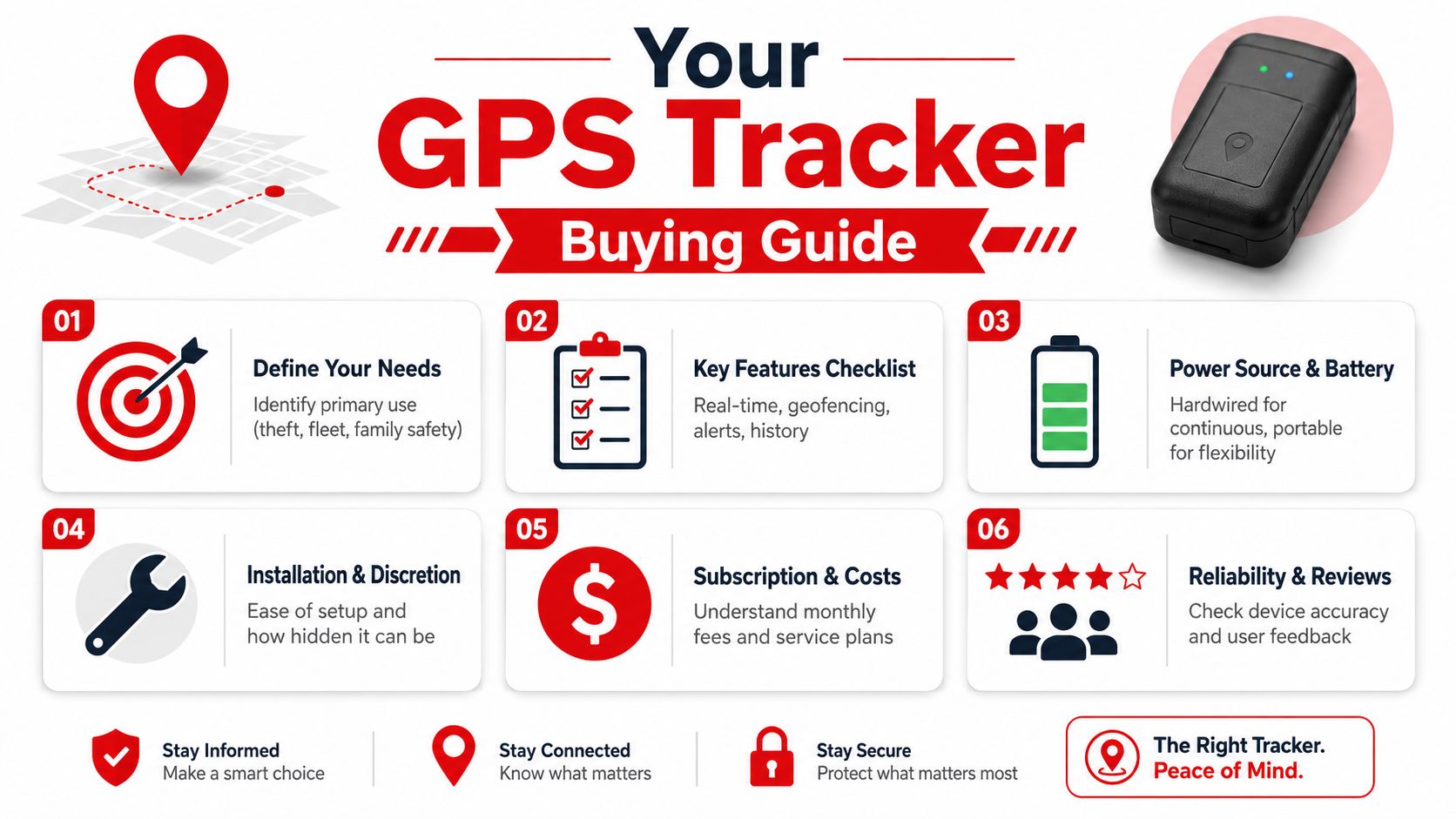
Questions worth asking before you buy
Some questions are more useful than product slogans:
- Will it alert me right away? Live alerts matter more than a map alone.
- How is it installed? A visible device and a hidden device create different security outcomes.
- What happens if power is interrupted? You want clear behavior during tampering or removal.
- What kind of reporting does it provide? Current location and trip records serve different needs.
- What am I paying for monthly? The answer should include cellular service and cloud access, not vague “premium features.”
A practical buyer checklist
Use this short checklist when comparing options:
- Match the tool to the job: Choose GPS and cellular for vehicle security, not a general-purpose item finder.
- Decide on visibility: Plug-in devices are easier to install. Hidden installs are harder to spot and remove.
- Check alert types: Movement, engine activity, tamper events, and unusual vibration are all useful in different scenarios.
- Review the app experience: A confusing app weakens even good hardware.
- Confirm legal use: Only track vehicles where you have the right and consent to do so.
The simplest decision rule
If your goal is recovering a stolen vehicle, monitoring a teen driver, or protecting a company car after hours, buy for response speed and reporting independence, not novelty.
A reliable vehicle GPS tracker system should do one thing very well. It should reduce uncertainty when something goes wrong.
If you want a vehicle security system built around real-time alerts, GPS location, cellular reporting, and smartphone monitoring, CARLOCK is one option to evaluate alongside your checklist. Focus on whether it matches your actual use case, especially if you need anti-theft alerts, trip history, and notice of tampering or unauthorized movement.