

Driver’s Desk
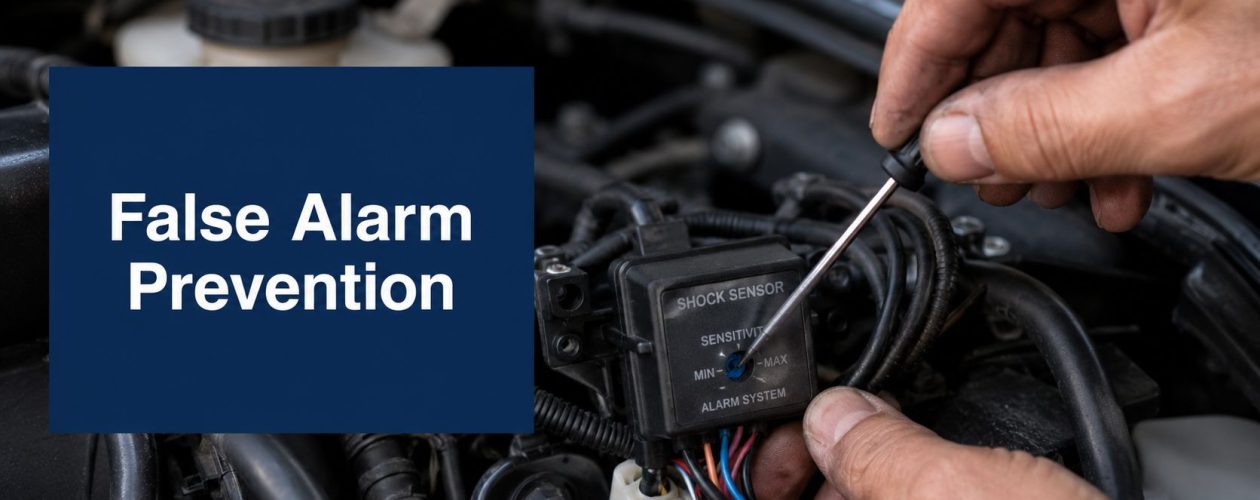
False Alarm Prevention: A Clear Plan That Works
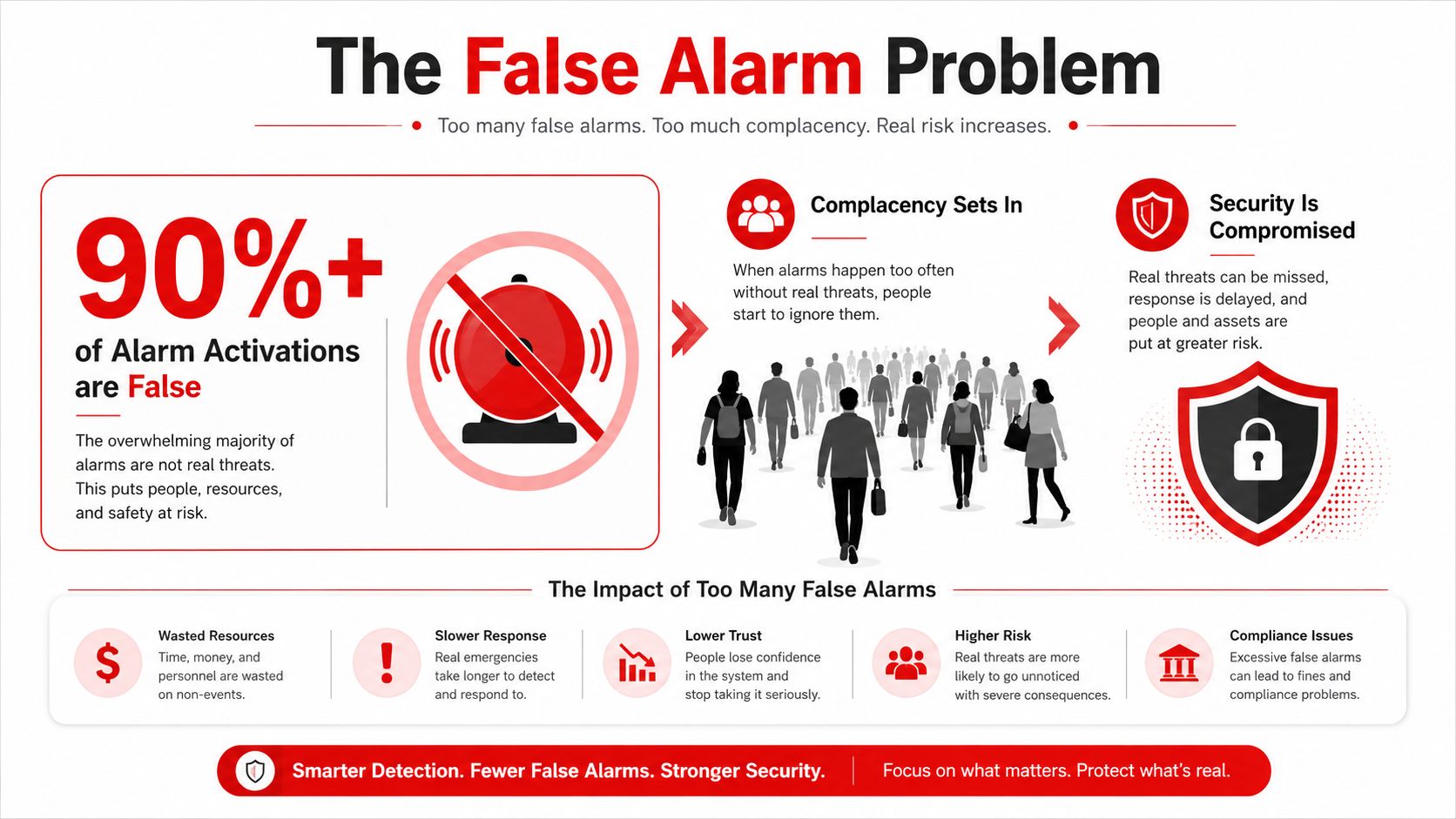
Most alarm activations aren't emergencies. In the best-known public-safety estimates, 90% to 99% of security-system and panic-alarm calls are false, and burglar-alarm reliability is often only 2% to 6% (Urban Institute and Arizona State University data in the POP Center guide). That's why false alarm prevention isn't a minor owner gripe, it's a workload problem for police, a fatigue problem for users, and a real weakness in the security chain when the alert that matters gets treated like noise.
Why False Alarm Prevention Matters More Than You Think
The hidden cost is time, trust, and response quality
A false alarm does not just waste the owner's afternoon. The POP Center guide says police responded to about 36 million alarm activations in 2002, with an estimated annual cost of $1.8 billion, and that false alarms often consume about 20 minutes of police time per incident, sometimes with two officers tied up on a call. It also notes that false alarms account for roughly 10% to 25% of all police calls in the U.S. (POP Center guide). When a system keeps crying wolf, the problem spreads beyond one driveway or one storefront and starts affecting dispatch, patrol staffing, and response quality.
That kind of volume changes how a call is treated. From the field side, I have seen the same pattern over and over, a system that is too sensitive, poorly taught, or badly installed stops being treated as urgent by the people who own it.
Repeated nuisance alerts train people to ignore actual emergencies
The practical danger is alarm fatigue. If every bump, draft, battery dip, or bad installation sends a full alarm, owners stop reacting with urgency, neighbors stop paying attention, and even monitoring workflows get slower because people assume it is another false hit. That is how a system becomes less protective even though it is technically working.
Practical rule: if a system triggers often enough that you feel annoyed before you feel concerned, the setup has already become part of the problem.
The fix starts with behavior and workflow, not just the sensor. Reduce false activations first, then the remaining alerts get taken seriously by the owner, the monitoring company, and anyone expected to respond. That is the highest-impact move because every prevented nuisance alert also protects the credibility of the next real one. If you want a clearer picture of how alert handling should be structured, the CarLock car alarm overview is a useful reference, and avoid false alarm triggers is a practical troubleshooting guide that treats nuisance alarms as a root-cause problem.
Common Causes of False Car Alarms
Most false triggers come from people, weather, and setup mistakes
Houston's alarm program says user error, weather conditions, system malfunctions, or improper installation produced about 96% of all alarms classified as false in fiscal year 2014 (Houston false alarm causes). That matches what shows up in vehicle installs too. Most nuisance alarms are not random. They come from predictable human behavior, loose installation choices, and the conditions around the car.
A solid diagnostic check starts with the basics. Weak or old batteries in the fob or alarm, doors and trunks that do not fully close, and motion sources inside or near the vehicle are common triggers. I also see balloons, curtains, fans, air-conditioning drafts, pets, and nearby foot traffic set off systems that were installed or adjusted without enough context.
For a practical troubleshooting reference, avoid false alarm triggers is useful because it treats nuisance alarms as a root-cause problem instead of something to put up with.
Start with the car, then look at the environment
On a vehicle, I check three layers in order. First, power. A weak battery can make a system act erratically, especially after weather changes or repeated short trips. Second, closure and fit. A door that latches but does not seal cleanly can behave like a steady source of nuisance alerts. Third, environment. If the car sits under a vent, beside a busy loading zone, or near heavy traffic, the system may be reacting to the surroundings rather than a real intrusion.
Look for the trigger that repeats, not the alert that embarrasses you once.
That approach is where false alarm prevention starts to pay off. Instead of assuming the alarm is “too sensitive,” check whether the car, the battery, the parking spot, or the installer left the system with too little margin. If you want a connected system that adds context beyond a siren alone, the CarLock security system page is a useful example of how alerting and tracking can work together.
Sensor Placement and Calibration That Actually Works
Sensitivity is a trade-off, not a virtue
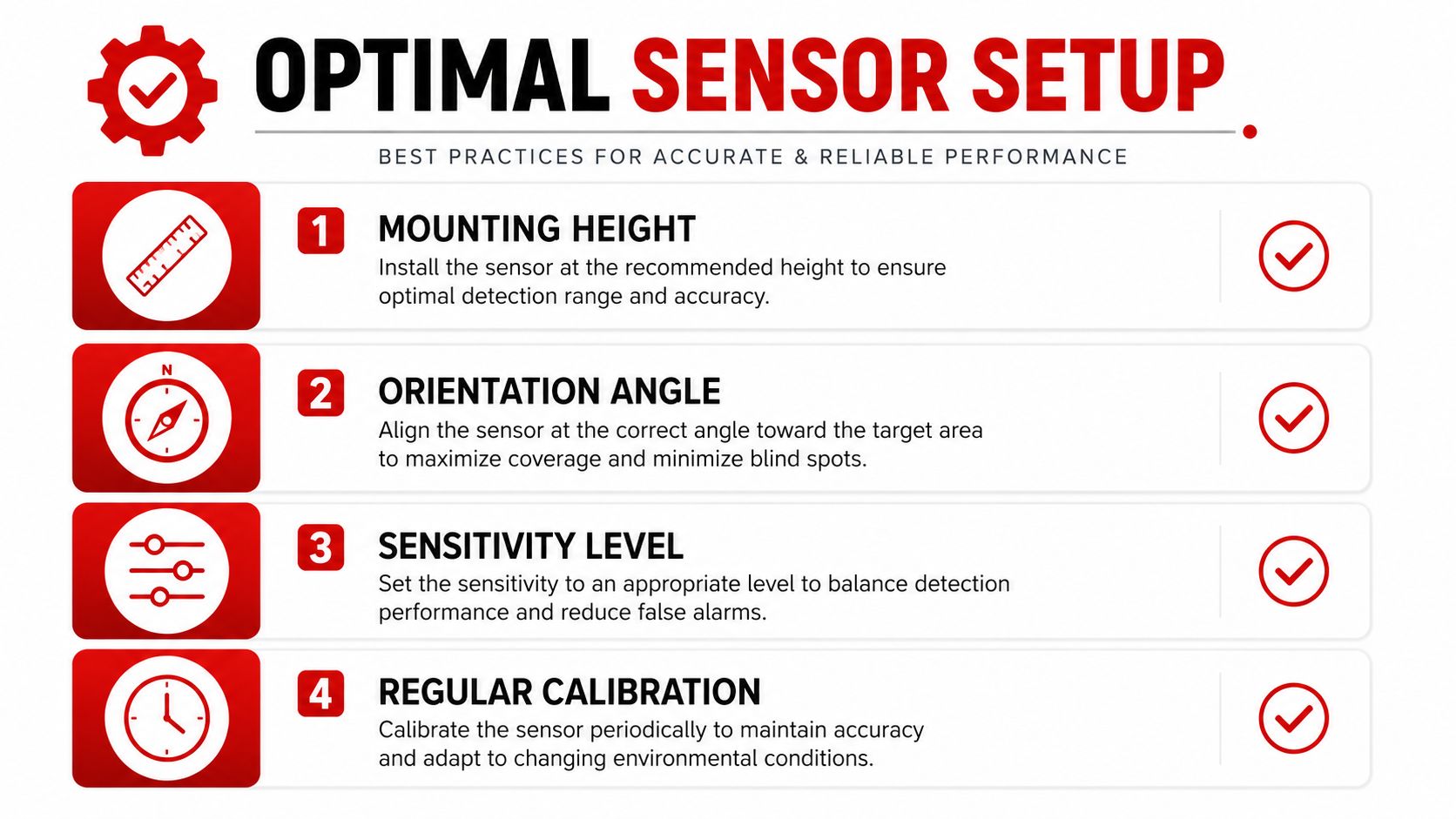
Bluntly lowering sensitivity is the wrong fix. Clinical alarm research points out that delaying or contextualizing alerts can cut false alarms by 25% to 67% in some studies, which is a reminder that smarter logic beats just turning the knob down (PMC alarm research). In vehicles, the same logic applies. If you de-tune a sensor until it stops whining, you can also make it slower to notice the event you care about.
The placement rule is simple. Shock sensors need a stable mounting point, not a loose panel or an area that flexes constantly. Motion sensors shouldn't sit where sun glare, HVAC flow, or routine cabin movement can keep nudging them. Tilt sensors need a level baseline and a spot where parking angle changes don't masquerade as a theft attempt.
Test it where the car really lives
Calibration should happen in the actual parking spot, not in a quiet workshop with perfect conditions. I prefer a basic chirp-and-tap approach, start with a moderate setting, tap the body panels or give the vehicle the kind of small disturbance that happens in daily life, then walk around it and see what trips the system. If the alarm reacts to gentle driveway movement but ignores a firm bump, the setting is too twitchy in the wrong place and too dull in the right one.
One more practical detail, don't mount a sensor near a sunroof edge or HVAC vent if you can avoid it. Those spots create false patterns that a nice clean bench test won't reveal. A parked car isn't a lab bench, and the settings need to reflect that.
Use a quick validation routine after every change
Any battery swap, trim removal, or sensor move deserves a re-test. I'd also check the system after a major weather shift or after the vehicle starts parking somewhere new. The point isn't to chase perfection, it's to make sure the settings still match the way the car is being used.
For a product-level view of sensor and device features, the CarLock device features page is a helpful reference point because it reinforces the idea that placement and calibration need to work together. The fastest false alarm prevention wins usually come from boring details, stable mounting, sensible sensitivity, and a test that happens in the same spot where the car spends most of its time.
Smart Notifications and Verified Alert Flows
Verification should happen before dispatch, not after frustration
The International Association of Chiefs of Police recommends requiring alarm-monitoring companies to make two calls to owners before police are dispatched, while the same guidance notes that most jurisdictions still rely on only a single owner contact after an activation (IACP guidance). That difference matters because the second call is not about being cautious for its own sake, it's about stopping avoidable dispatches that came from user error, a bad trigger, or a momentary glitch.
A single contact is a weak point. If nobody answers, if the owner is driving, or if the first call goes to voicemail, the incident can move straight into a response path that never should have started. Two-stage verification gives the monitoring side one more chance to catch the obvious false alert before it consumes police time.
Build alerts by severity, not by panic
The best notification setup uses layers. A push alert can tell you something changed. A call or escalation can tell you the system needs confirmation. Dispatch, or any emergency response, should be the last step, not the first reflex. That keeps a bump, a door error, or an owner's own activity from feeling identical to a genuine threat.
Practical rule: the app should ask a question first, then raise its voice, then call for help.
Quiet hours, geofenced auto-arm, and smarter severity tuning all help here. If the system knows when you're home, when the car is parked in a normal place, or when movement is expected, it can reduce avoidable noise without muting real danger. That's the difference between a notification system and a reflex machine. The CarLock app features page fits naturally into this workflow because mobile-first alerts are only useful when the alert flow itself is disciplined.
Maintenance and Diagnostics to Run on a Schedule
Treat maintenance like prevention, not cleanup
False alarm prevention gets shaky when small wear items are ignored. Weak batteries, loose connectors, aging fobs, and connectors that slowly drift out of place can all create intermittent nonsense long before the system fully fails. A ten-minute monthly check catches more of this than most owners expect.
I'd inspect four things first. Battery health in the key fob and backup power path. Any visible wiring or connector looseness. Whether recent work, like a battery swap, changed sensor behavior. And whether the car is still parked in the same kind of environment the system was calibrated for.
If a trusted walkthrough of household safety habits helps, the FenceScape self-closing gate guide is a good reminder that routine behavior and simple mechanical checks often matter more than flashy gear.
Watch for the warning signs that come before a nuisance storm
A sudden spike in alerts usually means something changed. It could be a sensor going out of tolerance, a battery getting weak, or a new environmental trigger like wind, traffic vibration, or a different parking surface. Don't wait for the pattern to “settle down” on its own, because repeated nuisance alerts rarely heal themselves.
The same goes for signal paths in connected systems. If a device depends on cellular reporting or GPS location history, verify that it still behaves properly where the car sits, not just where you installed it. For a related maintenance angle, the CarLock vehicle health page is relevant because battery and system health often show up before a bigger failure does.
How CarLock Helps Prevent False Alarms
Context beats raw noise
CarLock is useful here because it doesn't rely on the old model of “make more noise and hope someone cares.” It uses real GPS and cellular connectivity, so the owner gets information on the phone instead of waiting on a siren that may already be easy to ignore. That matters because false alarms are so common that the alert itself can lose value.
It also helps with the kinds of failures that don't look dramatic but still matter. Tamper and disconnection alerts address deliberate interference without depending on a loud local alarm to do all the work. Driving-behavior alerts like harsh acceleration, hard braking, and aggressive cornering are also context-aware, they tell you something about use, not just vibration.
Why that matters more than a louder siren
A louder alarm doesn't fix user error, weak batteries, bad parking locations, or poor notification design. It just makes the mistake more public. A connected system can separate the owner's normal activity from a real event more cleanly, which is the part many traditional alarms never solve well.
If you're comparing tools, CarLock's real value in this conversation is its notification model, not a promise that every trigger disappears. It gives you a way to see movement, tampering, and vehicle status in context, which is exactly what false alarm prevention needs when the goal is fewer dead-end alerts and better response when something happens.
Your False Alarm Prevention Checklist and Common Questions
Start with the basics. One-time setup: verify battery health, mounting, and placement, then test the system in the actual parking spot. Monthly maintenance: check fobs, connectors, calibration, and signal behavior. Incident-time response: confirm before escalating, because a fast cancellation is better than a slow, expensive dispatch.
A few quick answers come up often. Insurance discounts depend on the policy, so ask your carrier directly. Turning the alarm off entirely is usually the wrong move, because you're solving nuisance by removing protection. For chronic outside triggers, like nearby construction or recurring neighborhood vibration, change the parking context or recalibrate before you assume the alarm itself is defective.
The cleanest false alarm prevention strategy is usually the least dramatic one. Keep the hardware stable, keep the notifications verified, and treat every repeat alert as a diagnostic clue instead of an annoyance. If you want a connected system that gives you real-time vehicle visibility without relying on a siren alone, visit CARLOCK and see how its monitoring and alerting approach fits the way you use your car.