

Driver’s Desk
Types of GPS Trackers: A Security Guide for Car Owners
For dedicated vehicle security, a hardwired or OBD-II GPS tracker is far superior to a simple Bluetooth item finder or a cheap plug-and-play magnetic unit. The GPS tracker market is estimated at USD 4.04 billion in 2024, with a projection of USD 9.83 billion by 2030, but the right device still depends on whether a thief can find it, unplug it, or outlast its battery.
The surprising part is that a tracker can be technically accurate and still fail as a security device. A portable unit hidden under a vehicle may locate the car after theft, but only until its battery runs down. An OBD-II device may report continuously, but a thief who knows where the diagnostic port is can remove it almost immediately. A Bluetooth tag may help you find a parked car, yet it isn't designed to follow a stolen vehicle across town.
After installing and evaluating many kinds of vehicle trackers, the practical lesson is consistent: installation method, power source, communication network, and concealment matter as much as the GPS receiver itself.
Why Choosing the Right GPS Tracker Matters Now
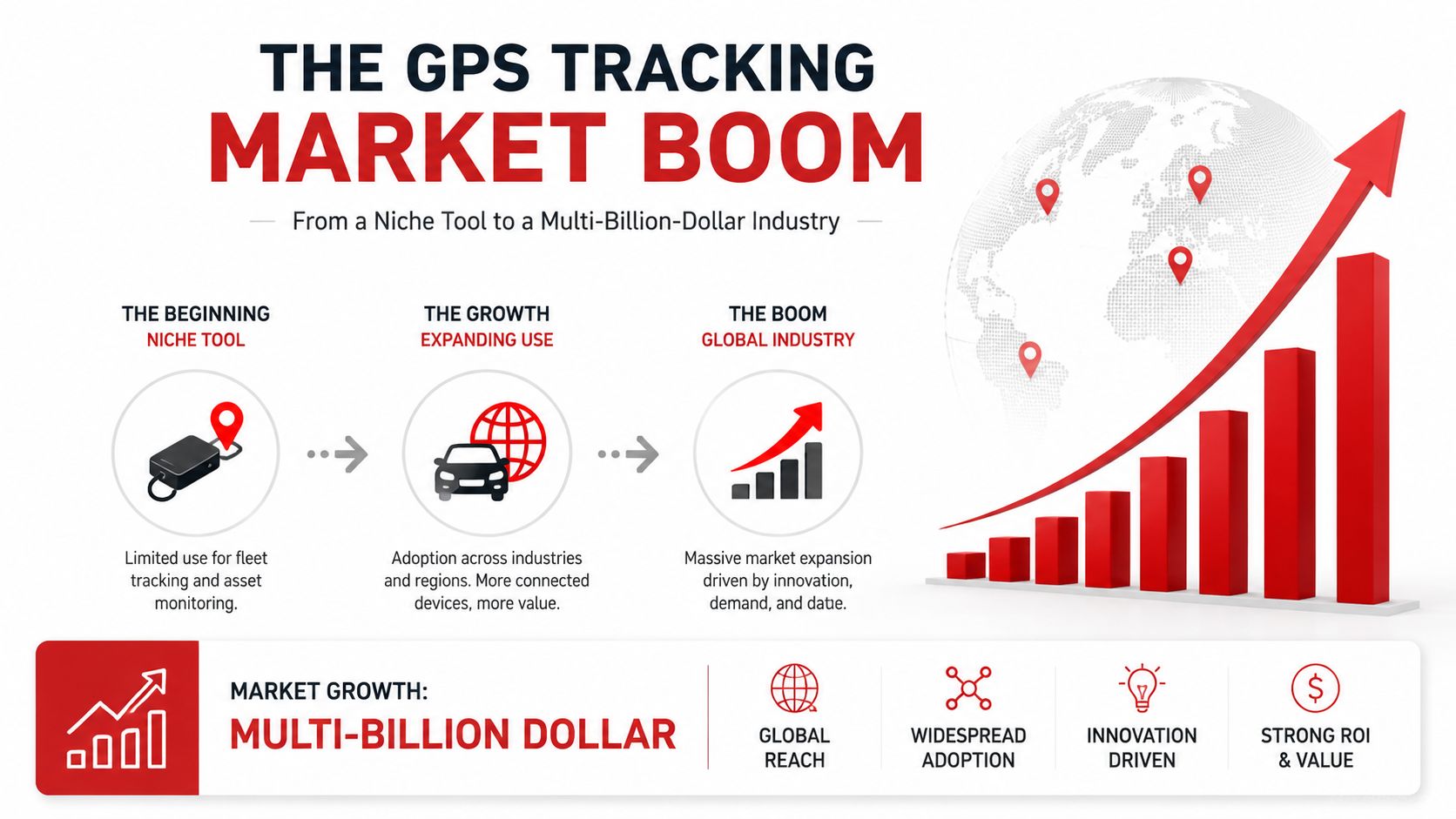
GPS tracking has moved well beyond its original role as a navigation aid. One recent industry estimate places the global GPS tracker market at USD 4.04 billion in 2024, with growth to USD 9.83 billion by 2030 at a 17.4% CAGR according to industry market data on GPS tracker growth. That expansion reflects a shift in what owners expect from tracking technology. They don't just want a location recorded somewhere. They want immediate visibility when a vehicle moves, starts, gets towed, or leaves a defined area.
In vehicle tracking systems, GPS and satellite technology remained the largest technology category in 2025, representing 48.5% of the global market, or approximately USD 14.27 billion, according to the same market analysis. Satellite positioning remains the foundation for long-range vehicle visibility because it can calculate a vehicle's position over substantial distances, while a separate communications connection sends that information to an app or monitoring platform.
Security depends on continuity
A tracker that reports only occasionally may help establish where a vehicle was, but theft recovery often depends on what happens immediately after unauthorized movement. If a thief finds the device, disconnects it, parks the car underground, or drives beyond cellular coverage, the apparent value of the tracker changes quickly.
That's why car owners should evaluate more than advertised accuracy. Ask four practical questions:
- Can the device stay powered? Hardwired and OBD-II units draw from the vehicle, while portable units depend on charging.
- Can someone remove it quickly? Visible plug-in hardware is easier to defeat than a concealed installation.
- Can it communicate from the places your car travels? Cellular coverage works well in many populated areas, but not everywhere.
- Will it alert you to a problem? Location history is useful after an event. Tamper, movement, ignition, and battery alerts are more valuable during one.
A vehicle security system should also fit the vehicle's use. A family car parked outside overnight has different needs from a work van, a classic car, or a fleet vehicle shared by multiple drivers. The CARLOCK car security resource provides further context on combining tracking with broader vehicle protection.
Practical rule: Choose the tracker that remains useful after a thief knows the vehicle has one. That usually means concealed installation, continuous power, and an alert system rather than a device that only stores its last position.
Understanding Cellular GPS versus Bluetooth Trackers
The word “tracker” hides a major technical difference. A true GPS vehicle tracker calculates its position from GNSS satellites, then sends that position through a cellular network. A Bluetooth item tracker doesn't calculate satellite position. It depends on a nearby phone or compatible device to detect the tag and report its location.
That distinction explains why cellular connectivity captured nearly 60% of the asset GPS tracker market in 2024, while Bluetooth represented 12.7% in one market estimate, as reported by asset GPS tracker market research. Bluetooth still has an important role. ABI Research indicates that Bluetooth represented more than 70% of installed-base asset-tracking deployments through most of the 2023 to 2029 forecast period, because low power and low cost suit short-range item finding. These figures describe different deployment patterns, not a contradiction. Bluetooth is common for inexpensive proximity tracking, while cellular GPS is more appropriate for persistent, long-distance monitoring.
What Bluetooth can and can't do
A Bluetooth tag can help locate keys in a house, a bag in a crowded area, or a vehicle in a large parking lot if compatible phones pass close enough to it. It doesn't provide a dependable communications path once the vehicle leaves the local area.
That failure becomes obvious in common theft scenarios. A stolen car may be placed in an underground garage, moved to a remote yard, or parked inside a metal building. Without nearby devices capable of detecting the tag, the owner may see only an old location. Bluetooth's long battery life is useful for belongings, but it doesn't compensate for the absence of continuous vehicle visibility.
Why cellular GPS remains the security choice
A cellular GPS unit separates location calculation from location reporting. The satellites help the device determine where it is, while the cellular connection sends that result to the owner's app. In typical outdoor conditions, GPS or GNSS accuracy is about 5 meters, although technical comparisons of Bluetooth, GPS, and cellular tracking note that accuracy can degrade in urban canyons and disappear indoors without a clear sky view.
Cellular trackers also support the functions that make a security system actionable, such as movement notifications, geofencing, trip history, and tamper alerts. They can still lose contact in a dead zone, but the risk is different from Bluetooth. Cellular failure usually reflects network coverage or physical obstruction, not the simple absence of a nearby participating phone.
For a car owner, the practical division is straightforward:
| Technology | Best fit | Main failure mode |
|---|---|---|
| Bluetooth | Keys, bags, and nearby items | No nearby phone or compatible device |
| Cellular GPS | Continuous vehicle and asset tracking | Cellular dead zones or signal obstruction |
| Satellite | Remote roads and areas without cellular service | Slower updates and higher service burden |
The CARLOCK device features overview can help buyers compare the kinds of alerts and monitoring functions expected from a dedicated vehicle system.
The Three Main Types of Vehicle GPS Hardware
Once the communication method is understood, the physical form becomes the next security decision. The three main vehicle GPS hardware types are OBD-II plug-in, hardwired, and battery-powered portable units. Each can report a vehicle's position, but they fail in different ways.
OBD-II plug-in trackers
OBD-II devices are the quickest to deploy. They plug into the vehicle's diagnostic port, draw power from the car, and often access engine information such as speed, RPM, fuel level, and diagnostic trouble codes, as described in vehicle tracking equipment guidance.
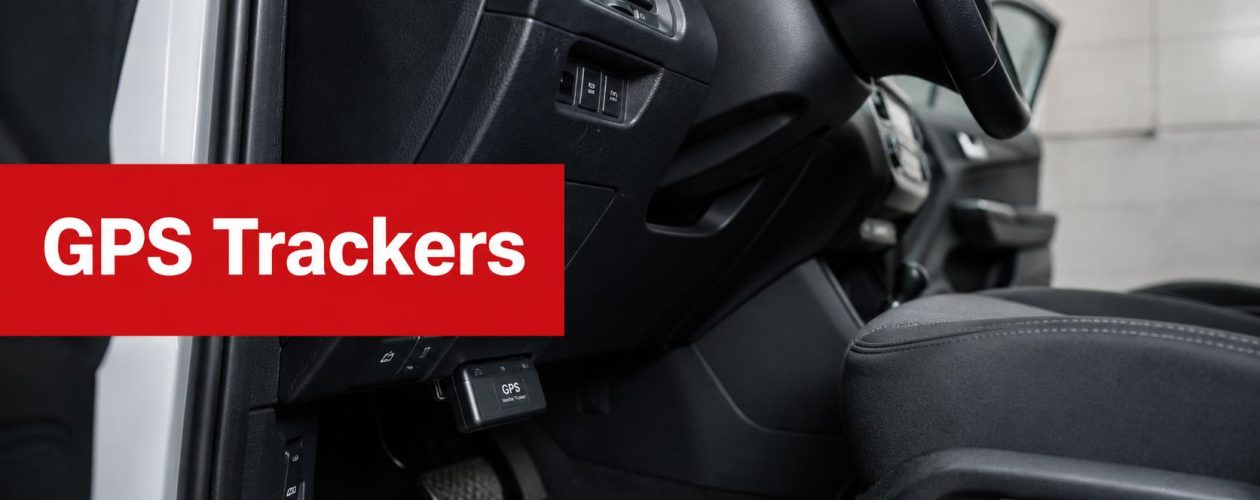
That convenience creates the central weakness. The port is normally accessible beneath the dashboard, so anyone who knows where to look can unplug the tracker. A thief may not need specialist tools or much time. If the vehicle is used by a family, employee, or small fleet and the main objective is visibility rather than covert theft recovery, OBD-II can be a sensible compromise. For high-risk vehicles, it's exposed hardware.
Hardwired trackers
Hardwired units connect to the vehicle's electrical system and can be mounted behind trim, beneath interior panels, or in another concealed location. Installation takes more skill, and a poor connection can create power or battery problems, so professional installation is usually the safer route.
The security advantage is continuity. The device can remain powered while the vehicle is running or parked, and the thief must locate wiring or dismantle trim before disabling it. That makes hardwiring the strongest option for permanent anti-theft monitoring, particularly when combined with a backup power source and disconnection alerts.
A tracker doesn't protect a vehicle by existing inside it. It protects the vehicle when it keeps reporting after someone starts looking for ways to stop it.
Portable battery-powered units
Portable trackers offer the most flexibility. They can be moved between vehicles, attached to equipment, or placed in a concealed position without touching the vehicle's wiring. Magnetic mounting can make deployment simple, but it also introduces a failure point. A loose mount, water exposure, or an obvious external position can end the tracking attempt before the device's electronics fail.
Battery life is the trade-off. More frequent location reporting consumes more energy, so a portable device requires an active charging and inspection routine. If nobody checks the battery, the tracker becomes a silent object. Portable units work well for temporary monitoring and assets that return to a location for charging. They're weaker as a set-and-forget solution for a valuable car.
Owners comparing installation options can review the vehicle locator options from CARLOCK, particularly when deciding between portability and permanent vehicle integration.
How GPS Communication Stacks Affect Coverage
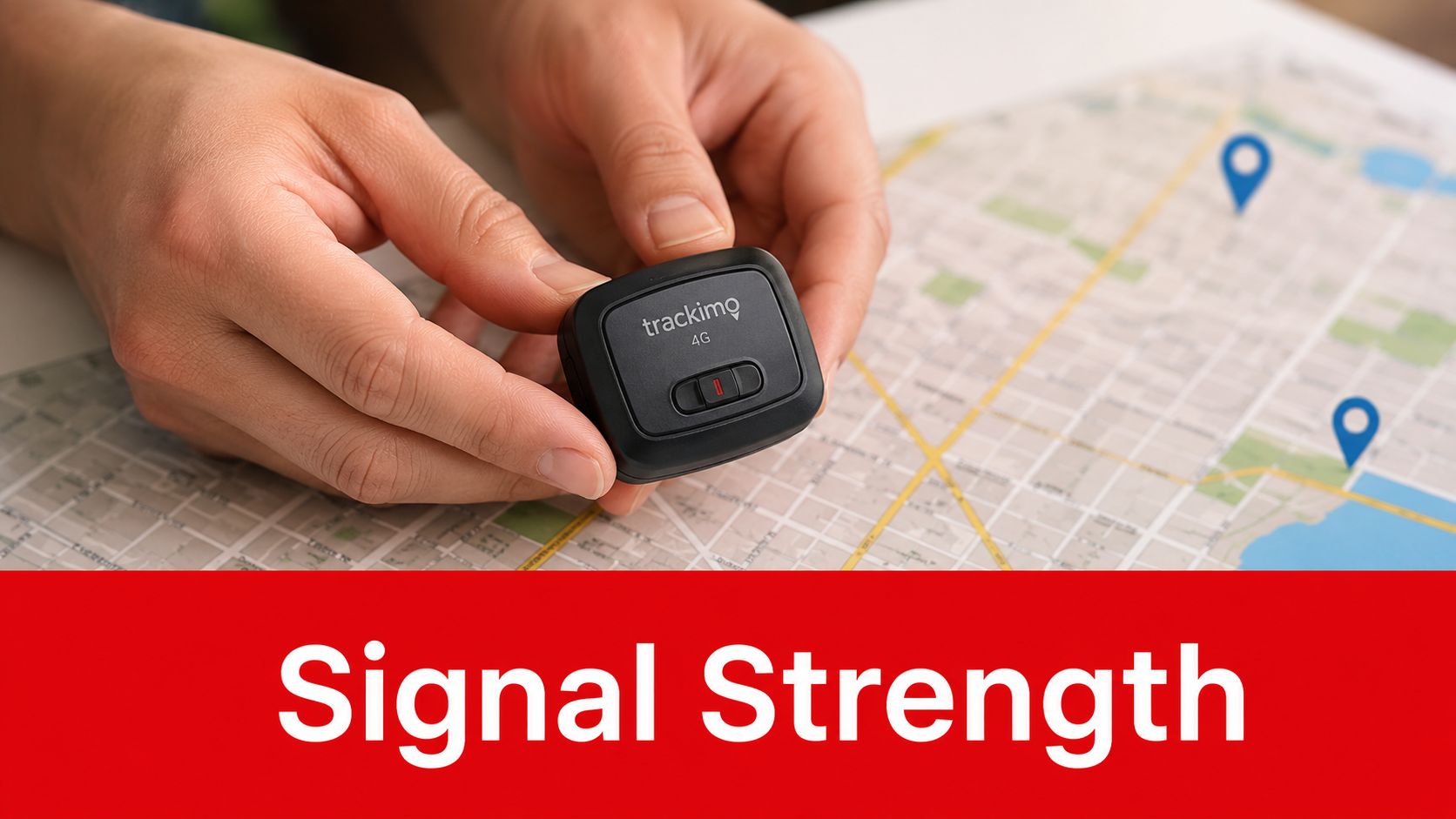
A GPS tracker has two separate jobs. First, it must calculate its position from satellites. Second, it must transmit that position through a communications network. Confusing those jobs leads buyers to assume that a device with a GPS receiver can always display its location remotely. It can't. A tracker may know where it is and still be unable to tell you until a communications connection returns.
Standalone and cloud-connected designs
A basic standalone tracker may determine a position and store it locally. That can be enough for reviewing a route later, but it doesn't provide the immediate warning needed during a theft.
An advanced connected tracker combines GNSS positioning, cellular or satellite communications, cloud software, and a mobile interface. Market reporting identifies several categories, including standalone, OBD, advanced, and satellite-connected trackers. Cellular transmission held 79.2% of the global market in 2025, while standalone trackers held 42.1%, according to tracking device market analysis from Straits Research. Advanced smart trackers are projected to grow at a 14.23% CAGR through 2030, also according to that source. The direction is clear: buyers increasingly expect live data, alerts, and cloud access rather than passive logs.
Buildings create a separate limitation. GNSS performs best with a view of the sky, so underground parking and dense urban streets can delay or distort positioning. Cellular communication may also be blocked by concrete, metal, or weak local coverage. A good system should show the last reliable position and reconnect when conditions improve, rather than pretending the indoor result is exact.
For businesses that monitor routes around airports, practical airport transfer tracking tips can help connect tracker capabilities with dispatch and customer communication needs.
Satellite trackers solve a different problem. They transmit through satellites instead of cellular towers, making them appropriate for remote roads and areas where a cellular signal isn't available. The trade-off is slower reporting and higher cost. One 2026 comparison lists satellite update intervals at about 5 to 15 minutes, with higher monthly cost than cellular vehicle trackers, according to a comparison of GPS tracker types.
A satellite interval may be perfectly adequate for a remote asset whose main risk is disappearance from a worksite. Active urban theft recovery usually benefits more from cellular connectivity and faster alerts. The right stack depends on where the vehicle travels, not just on how impressive the hardware specifications look. More detail on practical vehicle tracking functionality can help clarify that difference.
Matching Tracker Types to Your Security Needs
The correct device depends on the failure you're trying to prevent. A parent monitoring a teenager may value ignition and trip alerts. A fleet operator may need engine diagnostics and route history. An owner of an expensive car may care most about concealment, movement detection, and an alert when somebody disconnects the unit.
| Situation | Strong fit | Why it works | What can go wrong |
|---|---|---|---|
| Daily commuter in a populated area | Hardwired cellular tracker | Continuous power and hidden installation | Poor wiring or weak local coverage |
| Small fleet needing rapid deployment | OBD-II cellular tracker | Fast installation and vehicle data | Driver or thief can unplug it |
| Temporary monitoring | Portable battery tracker | Easy to move and conceal | Battery exhaustion or mount failure |
| Remote-road operation | Satellite tracker | Works where cellular service may disappear | Slower updates and higher service cost |
| Teen driver supervision | OBD-II or hardwired tracker | Trip, movement, and driving visibility | Visible hardware can be tampered with |
Street parking and theft recovery
A car parked outdoors overnight needs more than a device that can be found with a phone nearby. Bluetooth is suitable for locating an item in proximity, not for maintaining a remote theft-recovery trail. A hardwired cellular device is generally the stronger choice because it stays powered and can be hidden from a quick inspection.
An OBD-II unit can still work well when the priority is quick deployment. It's especially practical when the owner wants to move the tracker between vehicles or access diagnostic information. Its security value falls sharply if the driver can see the device or a thief can reach the port.
Garages and underground parking
Underground parking exposes two different weaknesses. Satellite signals may be obstructed, and cellular communication may be reduced by the structure. A tracker may show the last outdoor position until the vehicle exits, so owners shouldn't treat a temporary indoor gap as proof that the device has been removed.
For vehicles that spend most of their time in covered parking, choose a system with movement and tamper alerts, plus a platform that records the last known position. The goal is not to demand perfect positioning through concrete. The goal is to detect unauthorized movement and recover the live trail as soon as the vehicle reaches usable coverage.
Remote roads and work vehicles
A work vehicle that regularly leaves cellular coverage has a different requirement. A cellular-only unit may be adequate for most of the route but provide gaps at precisely the point where the vehicle becomes difficult to locate. Satellite hardware is justified when uninterrupted communication matters more than fast updates and the operating environment routinely lacks towers.
For a small fleet, the decision should also account for maintenance. Hardwired devices reduce charging work, OBD-II units simplify deployment, and portable units may be suitable for equipment that changes hands. The cheapest installation isn't always the least expensive choice if someone must repeatedly inspect batteries, replace mounts, or investigate missing data.
Avoiding the No-Subscription GPS Trap
“No subscription” sounds attractive because it appears to remove an ongoing cost. In practice, it often means the device isn't providing the communications and monitoring functions that make a vehicle tracker useful. A passive tag may record a location or depend on nearby phones, but it won't necessarily send an immediate alert when the engine starts, the car moves, the device is unplugged, or the battery begins to drain abnormally.
Personal trackers were still led by SIM-based devices, with 67.05% share in 2025, while eSIM trackers are projected to grow at a 14.28% CAGR through 2031, according to personal GPS tracker market analysis. Those figures reflect the importance of network connectivity in active tracking. A SIM or eSIM provides the communications path that lets the tracker contact the cloud platform without relying on the owner's phone being nearby.
What a real vehicle security service pays for
A subscription typically supports the network connection, cloud storage, mobile application, alert delivery, and software that interprets events. Remove those services and the device may still calculate its position, but the owner loses the practical response layer.
Look for these capabilities before focusing on the monthly price:
- Unauthorized movement alerts: The system should notify you when the car moves outside an expected pattern.
- Ignition or engine activity alerts: A location update after a trip starts may arrive too late to be useful.
- Tamper and disconnection detection: A thief should not be able to silence the tracker without creating an alert.
- Battery monitoring: Abnormal vehicle battery drain can indicate a fault or interference.
- Trip history: Route records help distinguish an authorized drive from unexplained movement.
- Geofencing: A virtual boundary can flag departures from home, work, or a storage location.
The market is moving toward real-time tracking, geofencing, fuel and driver-behavior analytics, and smaller hardware rather than passive location logging alone, as described in the personal tracker market research above. That shift matters because vehicle security is an active problem. The system must notice a suspicious event and reach the person responsible for the car.
Matching cost to actual risk
A no-subscription Bluetooth tag may be entirely reasonable for remembering where you parked or finding keys. It isn't an equivalent replacement for a dedicated vehicle tracker. A low-cost magnetic unit can also be useful for temporary asset monitoring, but only if someone checks its charge, concealment, weather exposure, and mounting security.
Before buying, verify how the device communicates, what happens during a dead zone, how it detects tampering, and whether the service remains active when the vehicle is parked. The CARLOCK questions and answers can help clarify those practical differences before you choose a system.
A subscription isn't automatically proof of quality, but continuous vehicle protection generally requires continuous power, a dependable communications path, and software that turns unusual activity into an immediate warning. Those functions cost money to operate, and avoiding the fee often means giving up the feature that makes the tracker useful.
CARLOCK offers a dedicated vehicle tracking and security system with GPS positioning, cellular connectivity, trip history, movement and ignition alerts, tamper notifications, and vehicle battery monitoring. If you need a tracker that stays connected and focuses on continuous car protection rather than proximity item finding, visit CARLOCK to review the available options.