

Driver’s Desk
Smart Detection for Cars: A Complete Guide
You're probably reading this for a simple reason. Your car spends a lot of time out of your sight. It might be in a driveway overnight, in a garage at work, at an airport lot, or parked on a city street while you sleep. That gap between where you are and where your vehicle is creates anxiety, and a basic alarm usually doesn't solve it.
A siren can make noise. It usually can't tell you what happened, when it happened, or whether it matters. Smart detection changes that. Instead of one loud reaction to everything, it monitors specific events, sends alerts to your phone, and helps you tell the difference between normal activity and something that needs attention.
That distinction matters more than is commonly understood. In real life, the challenge isn't only detecting risk. It's detecting the right thing, at the right time, without burying you in useless alerts, and still working when connectivity is less than ideal.
What Is Smart Detection in Vehicle Security
You wake up to a phone alert at 2:13 a.m. Your car is parked outside. It has not triggered a full siren, but your security system noticed a stronger-than-normal vibration, then movement a minute later. That combination tells you far more than a loud alarm ever could.
That is the basic idea behind smart detection. It uses sensors and software to watch for specific changes around your vehicle, then sends those details to your phone so you can judge the situation quickly. Instead of treating every bump like a crisis, it tries to separate ordinary activity from the kind of event that deserves attention.
For car owners, the core value is judgment. A shopping cart tapping the bumper, a tow attempt, and an unauthorized engine start are all different problems. A useful system does not flatten them into one identical response.
Why "smart" matters in daily use
The word can sound like marketing, so it helps to translate it into real parking-lot situations.
A traditional alarm reacts like an overly sensitive smoke detector. Burn toast, and it screams. Smart detection aims to work more like a detector that can tell the difference between steam from a shower and actual smoke. In vehicle security, that means using more context so you get fewer alerts that waste your time and more alerts that help you act.
WCCTV's overview of smart detection systems explains how modern detection systems classify events instead of reacting blindly to every trigger. In a vehicle, that same principle shows up in practical ways:
- A light vibration may be annoying, but it often does not require you to run outside.
- Unexpected movement is more serious because the car has changed position.
- An engine start alert can signal immediate unauthorized use.
This trade-off is easy to miss in articles that only praise the "smart" part. Higher sensitivity can catch more suspicious activity, but if the system alerts you for every harmless nudge, many owners start ignoring notifications. Once that happens, even a good alert can be missed.
Practical rule: The best security alert is specific enough to help you decide whether to check the car, call someone, or go back to sleep.
Smart detection depends on connection, not just sensing
A sensor that notices a problem but cannot reach you in time has limited value. Connected alerts are what turn detection into something useful in practice.
That is why vehicle security has moved closer to other connected protection tools. If you have read about protecting outdoor trail cameras, the pattern is familiar. Detection works better when the owner gets a prompt, clear warning instead of discovering a problem hours later.
For vehicles, connectivity also helps solve a common weakness in older alarms. A siren only helps if you or someone nearby hears it and cares enough to respond. A connected car security system with phone alerts and event monitoring gives you direct awareness, which is often the difference between a minor scare and a stolen car that is already gone.
In short, smart detection is not just "an alarm, but smarter." It is a system designed to answer the questions owners have. What happened? How serious is it? And did I hear about it soon enough to do something useful?
How Smart Detection Technology Works
Your body offers a good analogy. Nerves sense something. Your brain decides whether it matters. Then your body reacts. Smart detection systems follow the same pattern.
The hardware senses. The software interprets. The connection delivers the warning.
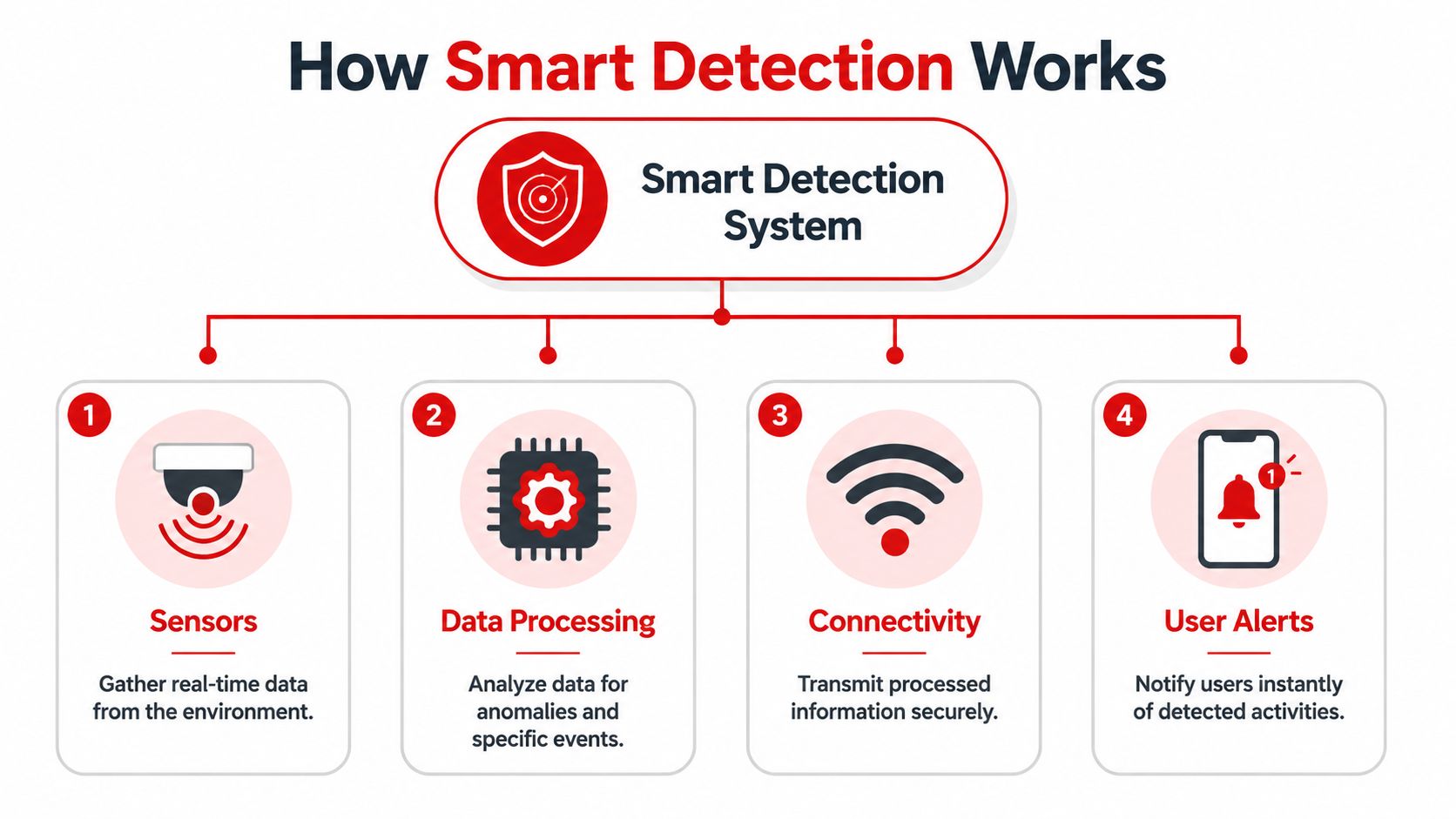
Sensors are the nerves
A vehicle security device starts by collecting signals from the car and its surroundings. In plain terms, it looks for things that often happen before or during unauthorized use.
Common examples include:
- Vibration sensing: Detects impact, shaking, tampering, or harsh contact with the vehicle.
- Movement sensing: Notices that the car has changed position when it shouldn't.
- Engine status awareness: Flags that the car has been started.
- Location tracking: Helps place the event in context so the owner knows where it happened.
One signal on its own can be misleading. A bump doesn't always mean danger. A movement event is more serious. An engine start can be urgent. Smart detection works by combining these signals instead of treating them all the same.
Processing is the brain
This is the part many owners worry about because it sounds technical. It doesn't need to be.
The system compares incoming sensor data with expected patterns. Research on smart homes describes this broader shift as moving from passive alarms to connected, sensor-driven monitoring, and notes that modern algorithms can improve performance by 15% under the same network conditions in that context, according to this research article on smart home monitoring.
What does that mean for a car owner? The system isn't just logging raw motion. It's trying to interpret whether the pattern looks harmless or suspicious. A short, light vibration may be background noise. A stronger, repeated pattern followed by movement or an engine start looks very different.
A good system also keeps these signals separate enough to stay understandable. You want an alert that says what happened, not a vague notice that something “unusual” occurred.
You can see how those kinds of vehicle events are organized in a device feature overview for connected car monitoring, where separate detections such as vibration, movement, and engine start each serve a different purpose.
Connectivity is the messenger
Even the smartest sensor is limited if it can't get the alert to you. That's why connectivity is a core part of smart detection, not an optional add-on.
In a strong-signal environment, the process feels simple. The device senses an event, processes it, and sends a notification. In weak-signal places such as underground parking, remote roads, dense garages, or during cross-border travel, reliability becomes the ultimate test.
A car security system isn't only judged by what it detects. It's judged by whether the alert reaches you when the event still matters.
That's why experienced buyers should always ask two questions. How does the system behave when the connection is weak? And when the network returns, how clearly does it reconstruct what happened?
Real-World Uses for Smart Vehicle Detection
The value of smart detection becomes obvious when you stop thinking about features and start thinking about moments. Not technical specs. Actual situations.
Overnight tampering at home
Your car is parked outside overnight. You're inside. Someone checks the doors, bumps the vehicle, or tries to tow or roll it. A traditional alarm may sound too late, or not in a way that helps you understand what happened.
A smarter setup can send a specific alert tied to the event. That separation matters. In modern event systems, a useful design benchmark is separate, immediate reporting for distinct detections rather than one collapsed signal. Amazon's developer documentation describes this as sending individual object or event detections as soon as they occur, which supports clearer timelines and lower alert noise in security workflows, as outlined in Amazon's SmartVision object detection guidance.
For car security, the practical benefit is easy to understand:
| Event | Why it matters |
|---|---|
| Vibration alert | Someone may be touching, striking, or tampering with the car |
| Movement alert | The vehicle may be rolling, being towed, or driven away |
| Engine start alert | Unauthorized use may already be underway |
You don't get one vague message. You get a sequence you can act on.
Monitoring a teen driver without guessing
Parents often aren't trying to “spy.” They want context. If the car moves late at night, if the engine starts unexpectedly, or if driving behavior raises concern, a notification gives the parent something concrete to discuss.
That changes the conversation. Instead of asking, “Were you out with the car?” a parent can say, “I saw the vehicle was active late. Is everything okay?” Smart detection gives facts first, emotions second.
For a practical look at how tracking and alerts are used in this context, vehicle tracking tools for personal and family use help show why event-based visibility matters more than occasional location checks.
A related area is plate-based monitoring at entrances and lots. If you're curious how cameras identify and log vehicle access, this complete guide to ANPR technology is useful background because it shows how event identification and tracking work in larger security setups.
Managing vehicles after hours
Fleet managers face a different problem. The biggest concern may not be theft in the classic sense. It may be unauthorized use, route deviation, or a vehicle moving outside approved hours.
In that situation, smart detection helps create a timeline. Was there a vibration event first? Did the vehicle then move? Was the engine started? That sequence can tell a manager whether they're dealing with casual misuse, a towing event, or a likely theft attempt.
This short video gives a practical feel for how car activity alerts fit into day-to-day monitoring:
For owners, parents, and fleet teams alike, the key advantage is the same. Smart detection replaces uncertainty with a usable event trail.
Key Benefits and Limitations to Consider
Smart detection can be extremely helpful. It also has trade-offs, and you should understand both before you rely on it.
Where it helps most
The clearest benefit is instant knowledge. If your car is disturbed, moved, or started, you don't have to wait until morning or until a neighbor mentions hearing something. You can see that an event occurred and respond while it's still relevant.
Other practical benefits usually include:
- Better context: Separate alerts help you understand whether the issue is minor or urgent.
- Faster decisions: You can check on the vehicle, call someone nearby, or contact authorities with better information.
- Driver visibility: Parents and fleet managers can monitor usage without relying on memory or guesswork.
- Recovery support: If a vehicle is taken, connected tracking can help establish where it went.
Where the friction shows up
The biggest limitation is connectivity. A smart detection system depends on getting information from the vehicle to your phone. In weak coverage areas, underground structures, remote roads, or dense concrete parking decks, alerts may not arrive as smoothly as they do in open urban areas.
Another challenge is false alarms. More sensitivity catches more events, but it can also catch harmless ones. Wind, nearby traffic, heavy parking-garage vibration, maintenance activity, and rough loading conditions can all trigger concern if the system is tuned too aggressively.
A third issue is ongoing service. Real-time monitoring usually relies on a subscription because the system needs connectivity, app infrastructure, and event handling over time. That doesn't make it a bad value. It just means the total cost isn't only the hardware.
Good vehicle security is rarely about finding a perfect setting. It's about choosing the right compromise for your parking habits, your area, and your tolerance for alerts.
A quick way to weigh the trade-offs
| Question | Why it matters |
|---|---|
| Where do you usually park? | Home driveway, garage, street parking, and airport lots create different signal and nuisance conditions |
| How fast do you need alerts? | Theft prevention depends on timely notice, not just a record after the fact |
| How much alert noise will you tolerate? | Some owners want every disturbance. Others want only stronger signals |
| Who uses the car? | A family car and a managed fleet need different settings and review habits |
If you answer those truthfully, the right setup becomes much easier to choose.
Optimizing Your System to Reduce False Alarms
False alarms frustrate people because they feel like failure. In reality, they're often a tuning issue. A powerful detection system needs calibration, just like a good smoke detector needs the right placement and sensitivity.
In real-world security applications, usability often matters more than raw sensitivity. In adjacent detection fields, the important question isn't only whether the system detects more, but whether it reduces unnecessary escalations and stays usable under everyday conditions, as discussed in this review of detection performance and real-world adoption trade-offs.
Why nuisance alerts happen
A car doesn't live in a controlled lab. It sits in places full of vibration and movement.
Common examples include:
- Windy outdoor parking: Gusts can shake the vehicle enough to trigger lighter thresholds.
- Busy roads or construction nearby: Repeated environmental vibration can resemble tampering.
- Parking garages: Tight spaces, doors slamming, and heavy vehicle movement create a noisy signal environment.
- Service visits or car washes: Normal handling can look suspicious if alerts are left fully active.
These alerts don't mean the system is broken. They mean it's paying attention, sometimes more broadly than your situation requires.
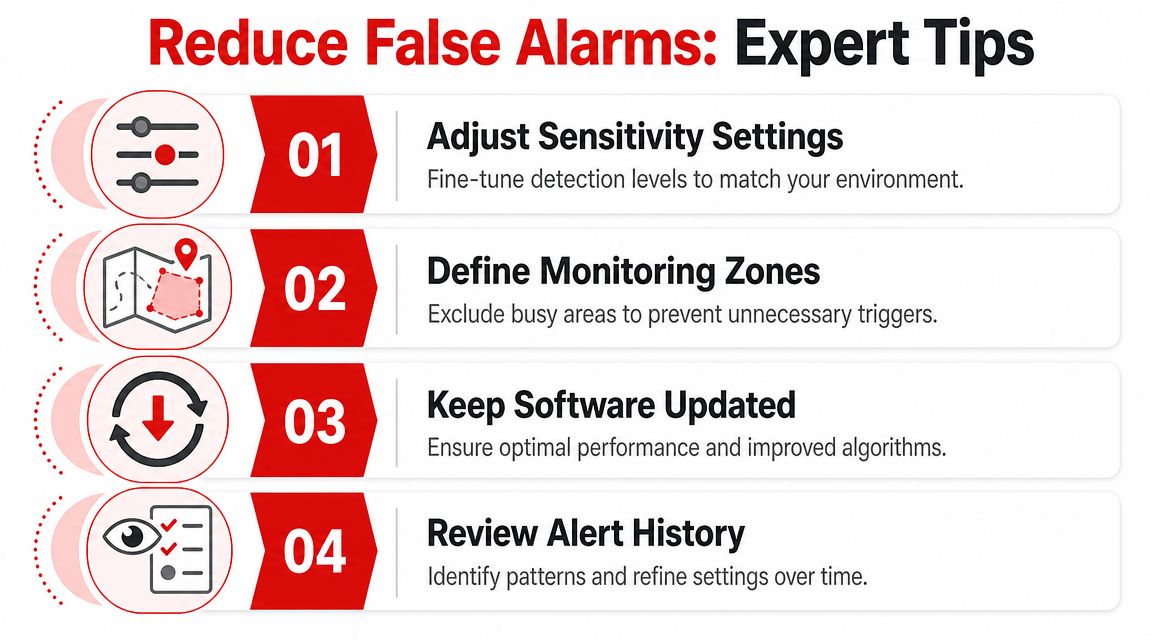
How to tune for your real environment
Start with your parking reality, not with fear. If the car is usually in a quiet suburban garage, you can afford a more sensitive setting. If it's on a busy street downtown, a more balanced setup may be smarter.
A practical approach looks like this:
- Watch the first pattern of alerts. Don't change settings after one noisy day. Look for repeated triggers in similar places.
- Adjust sensitivity gradually. Make one change at a time so you know what improved.
- Use temporary suppression when appropriate. If the car is in for service, some notifications don't need to stay active.
- Review history regularly. Repeated nuisance events usually reveal a pattern you can correct.
Many systems now make this easier through the mobile interface. A vehicle security app with alert controls and event history lets users see what triggered alerts and refine settings over time.
Sensitivity versus silence
Some owners want every possible signal. That sounds sensible until the app starts buzzing for harmless reasons and they begin ignoring it. That's the primary danger. Not the occasional extra alert, but the habit of dismissing all alerts.
Field advice: The best setting is the one you'll continue to trust after the tenth notification, not just the first.
A tuned system should still be active enough to catch suspicious behavior, but quiet enough that a new alert gets your attention. That balance is the whole point of smart detection.
Choosing the Right Solution and Protecting Your Privacy
You get an alert at 2:13 a.m. Your first question is not whether the system can detect motion. Your question is whether the alert is clear, trustworthy, and fast enough to help you decide what to do next.
That is the point where product differences start to matter.
By the time you are comparing vehicle security systems, the smart features on the box matter less than the day-to-day experience. A good system needs to fit your car, stay connected in real conditions, and give you alerts you can act on without sorting through noise. It also needs to handle your data in a way that is easy to understand.
As noted earlier, this category has matured. That is useful for buyers because you can expect more than basic detection now. You can compare how well a product handles the two problems that matter most in real use: false alarms and missed alerts caused by weak connectivity.
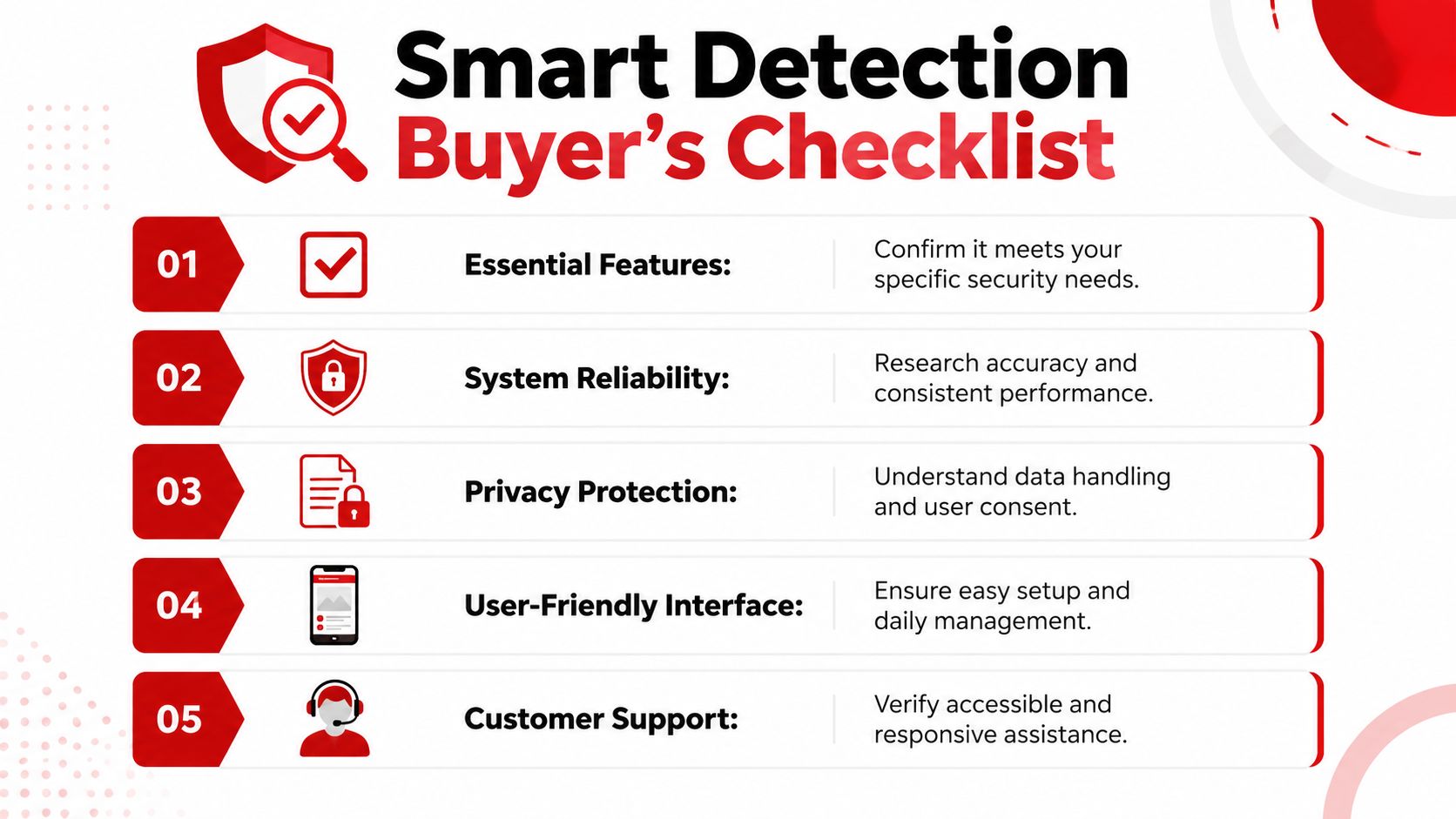
Before you buy, check for these practical points:
- Installation fit: Can you install it without turning ownership into a wiring project?
- Alert quality: Does it tell you what happened in plain language, or only that "something" happened?
- App clarity: Can you open the app and understand the event history quickly?
- Support and reliability: If alerts stop or settings become confusing, can you reach real support?
- Connectivity behavior: Does the company clearly explain what happens if the car enters a parking garage, weak-signal area, or the device is unplugged?
That last point gets overlooked often. Detection only helps if information reaches you. A system that senses a problem but cannot report it clearly or promptly leaves you guessing at the worst time.
One option in this category is CarLock, which provides alerts for vibration, movement, engine starts, and device disconnection through a connected GPS tracker and mobile app. If privacy is part of your buying decision, review the company's privacy policy and data handling details before purchase.
Privacy questions you should ask directly
A connected vehicle security product usually needs some combination of event data, location data, and device status to provide alerts and tracking. That is normal. The important question is whether the company explains the trade-off clearly and gives you confidence that the data is being handled responsibly.
Ask questions such as:
- What information is collected to generate alerts and tracking?
- Who inside the company can access that information?
- How long is it kept?
- Can you review settings and account controls without hunting through menus?
- What happens to alerts and history if the device loses power or cellular connection?
These are practical ownership questions.
A useful rule is simple. If the company is vague about privacy, it may also be vague about alert behavior, signal loss, or subscription terms. Clear answers in one area often reflect clear system design in the others.
The right choice is usually the product that gives you understandable alerts, dependable connectivity, and privacy practices you can read without needing a lawyer.
Is Smart Detection Worth It for Your Vehicle
For many drivers, yes. Smart detection is worth it because it solves the problem traditional alarms leave unsolved. It doesn't just make noise. It tells you what happened and gives you a chance to respond.
That matters most if your car is valuable, parked outside often, driven by multiple people, or located in an area where theft and break-ins are a real concern. It also matters if you're a parent trying to monitor vehicle use without constant conflict, or a fleet manager trying to spot unauthorized activity early.
The strongest argument for smart detection isn't that it can catch every possible threat. No honest security system can promise that. The stronger argument is that it gives you timely, useful information when your car is out of sight. That changes how quickly you can react and how confidently you can make decisions.
If you choose a system carefully, tune it to your environment, and understand its connectivity limits, smart detection becomes less like a gadget and more like an extra layer of awareness. For most owners, that's its true value. Not hype. Not abstract “AI.” Just clearer alerts, better context, and less guessing about what's happening with a car you depend on.
If you want a practical next step, CARLOCK offers a clear example of how smart detection works in everyday vehicle security, with real-time alerts for vibration, movement, engine starts, and tracking through a mobile app.